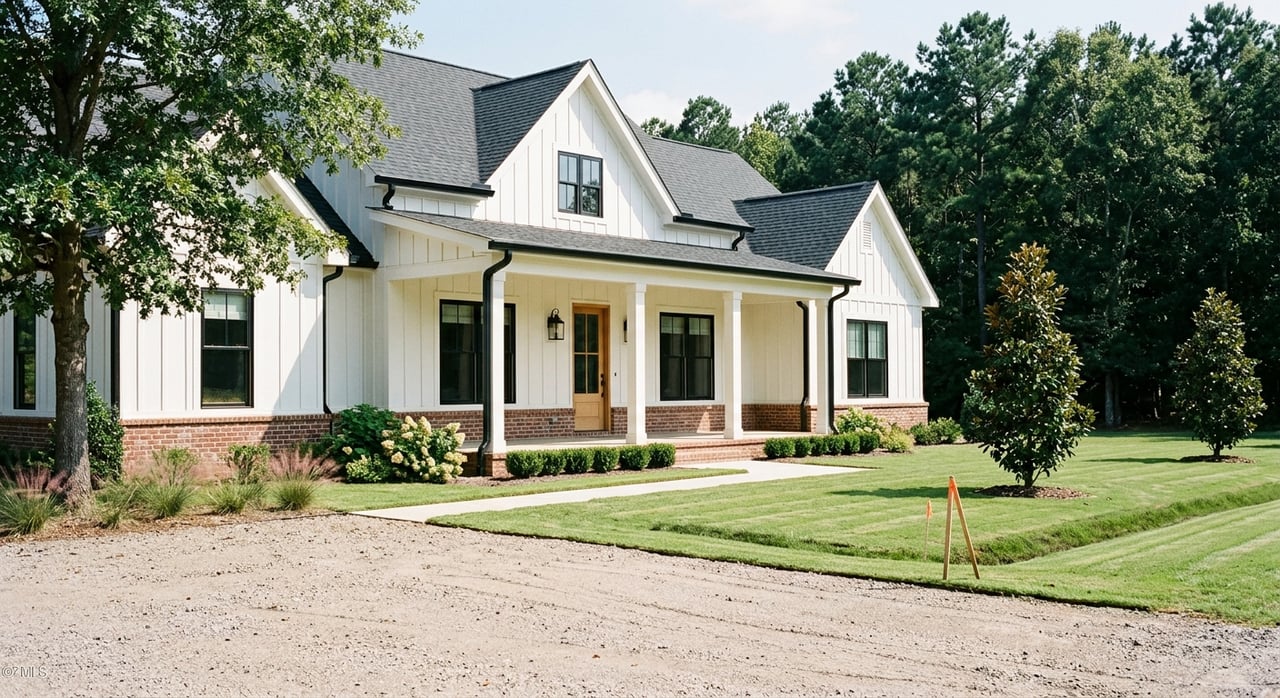
Thinking about building a custom home on acreage in Lamar County? It is an exciting idea, but the biggest decisions usually happen before you ever choose a floor plan. If you want more space, privacy, and flexibility, you also need to make sure the land can support your home site, access, septic system, and utility setup. This guide walks you through the planning steps that matter most in Lamar County so you can move forward with more confidence. Let’s dive in.
Why acreage planning matters in Lamar County
Lamar County’s long-range planning documents describe the area as rural and quiet, with many multi-acre home sites and limited city water and sewer service in rural residential areas. The county also shows a preference for larger-tract residential development, often 5 acres or more, with only limited exceptions in certain situations.
That matters because building on acreage here is not just about finding pretty land. You need to confirm early that the tract can support the home you want, with legal access, proper setbacks, and a workable well and septic layout.
Start with zoning and lot standards
Before you fall in love with a parcel, confirm the zoning district and lot requirements. In Lamar County’s A-R district, site-built single-family homes, industrialized homes, and class A manufactured detached dwellings are allowed, with a minimum floor area of 1,400 square feet.
The A-R district also requires a minimum lot area of 5 acres and a minimum lot width of 300 feet. Setbacks include a front yard of 125 feet from the property line or 165 feet from the centerline, side yards of 20 feet, and a rear yard of 40 feet. Impervious lot coverage cannot exceed 40 percent.
These numbers can affect where you place the house, garage, driveway, and any other improvements. A tract may look large enough on paper, but the usable build area can shrink once setbacks, topography, and septic placement are considered.
Can you build on 5 acres?
In many cases, yes. In the A-R district, 5 acres is the minimum lot area, as long as the tract also meets the county code and environmental health requirements.
That said, not every 5-acre parcel is equally buildable. The shape of the lot, access, drainage, and septic feasibility all play a big part in whether your preferred home site will work.
Confirm legal access early
Access issues can derail a land purchase faster than many buyers expect. If a tract is landlocked, Lamar County code requires a recorded 30-foot easement to a public street or road for a building permit, and a principal building generally needs at least 30 feet of frontage.
If the property will need a driveway culvert, approval may also be required from GDOT or the county road department. That is why driveway and road access should be reviewed early during due diligence, not after closing.
Do not rely on GIS alone
The county assessor’s GIS portal can be helpful for parcel identification and a general review. But the county states that this data is for assessment purposes only and is not a legal survey or legal document.
In plain terms, the map can help you start your research, but it should not be the only source you use to confirm buildability, boundaries, frontage, or easements. If you are serious about a tract, you want those details verified the right way.
Plan for well and septic from day one
Because rural residential areas in Lamar County often have limited city water and sewer service, many acreage homes rely on a private well and on-site septic. For most buyers, this is one of the most important parts of the planning process.
Lamar County’s District 4 Environmental Health Office handles wastewater permits and well-water matters, including residential septic permit applications. The septic application requires a sketch showing the proposed home site, driveway and paved surfaces, underground utilities, drainfield location, easements, floodplain information, detached structures, and the well location if applicable.
That tells you something important. Septic planning is not a small item you solve later. It directly affects where the house can go and how the full site layout needs to work.
Well placement basics
Georgia public health guidance says wells must be installed by a licensed water well contractor, and the county health department must be notified before drilling. Guidance also recommends bacterial testing every year and chemical screening every three years.
There are also spacing standards to keep in mind. Wells should be separated by at least 50 feet from a septic tank and 100 feet from a septic tank absorption field.
Septic timing matters
The residential septic permit application notes that final inspection is required and the permit expires 12 months from the date it is issued. That means your timeline matters.
If you secure septic approvals too early and then delay construction, you may need to revisit parts of the process. If you wait too long, you could slow down the build permit stage. Good planning helps you strike the right balance.
Review drainage, floodplain, and site conditions
A beautiful piece of land can still come with hidden challenges. Low spots, drainage paths, fill areas, and floodplain concerns can all affect where and how you build.
In Lamar County, Planning and Community Development also serves as the county’s erosion and sedimentation control office and floodplain management office. That makes it especially important to review site conditions before you commit to a final build location.
Why this matters for your build site
If your preferred homesite sits in an area with drainage issues, the layout may need to change. The best location for the house is not always the first open clearing or the highest point you notice during a quick visit.
A thoughtful site review can help you avoid costly surprises later. It can also help you place the home, driveway, drainfield, and utilities more efficiently from the start.
Follow a practical build sequence
When you are planning a custom home on acreage in Lamar County, the order of your steps matters. A clear sequence can help you avoid delays and protect your budget.
Here is a practical roadmap based on the county’s process:
- Choose the tract and confirm zoning, frontage, setbacks, and the likely home site.
- Confirm septic and well feasibility before closing, or at minimum before finalizing your build contract.
- Gather the county building permit package items, including health department approval, a marked plat showing setbacks and proposed home location, the deed, floor plans, and required licenses.
The county’s building permit checklist also references builder, electrical, plumbing, and HVAC licenses. In short, the permit stage depends on earlier planning being done correctly.
Know what the building permit package includes
Lamar County requires several items before a building permit can be issued. These include health department approval, a marked plat with setbacks and the proposed home location, the deed, floor plans, and current state and business licenses.
This is another reason many acreage buyers should think beyond the land itself. You are not just buying dirt. You are creating a buildable project, and every part of the package needs to support that goal.
Watch for land-disturbance requirements
If your project includes clearing, grading, or other land disturbance, there may be another layer of county review. Lamar County’s land-disturbance policy requires proof that county taxes are current, three sets of erosion and sedimentation plans, proof of the EPD Notice of Intent, and a 14-day waiting period before construction starts.
The county form also states that the land-disturbance permit expires one year from approval. The certificate of occupancy comes only after final inspection.
For larger sites, the process can become more involved. If a project disturbs 50 acres or more, Georgia EPD construction stormwater rules add another level of review.
Align financing with your timeline
Financing a custom build on acreage often looks different from buying an existing home. Research cited in the report explains that construction loans are usually short-term, often carry higher interest rates than standard mortgages, and may either convert to permanent financing or require a separate mortgage later.
The key takeaway is simple. Your loan structure should match your construction schedule before you close on the land.
Why timing affects financing
If you buy land first but wait a long time to build, your financing needs may be different than someone using a construction-to-permanent setup. If permits, septic review, or site work take longer than expected, those delays can affect the overall budget and timeline.
This is one reason acreage planning works best when your land search, builder conversations, and financing strategy all line up. It helps you make decisions in the right order.
The biggest mistake acreage buyers make
One of the most common planning mistakes is assuming a lot is build-ready before verifying the details. In Lamar County, that can mean overlooking access issues, setback limits, septic feasibility, or drainage concerns.
A tract can be attractive, private, and the right size, but still require changes to your house plan or site layout. That is why early due diligence matters so much.
How local guidance helps you plan smarter
When you are buying acreage in Lamar County, local knowledge can save time and reduce stress. You want to understand not just where land is available, but how county rules, environmental health review, and site conditions may shape the project.
That kind of planning is especially valuable if you are balancing land search, budgeting, and a future build schedule all at once. With the right guidance, you can focus on parcels that fit your goals and avoid wasting time on land that may not support the home you want.
If you are exploring acreage or planning a future custom build in Lamar County, The Legacy Real Estate Group can help you evaluate land opportunities with a local, practical approach.
FAQs
Can I build a custom home on 5 acres in Lamar County?
- In the A-R district, 5 acres meets the minimum lot area requirement if the tract also satisfies zoning standards and environmental health requirements.
Do I need septic approval before building in Lamar County?
- In practice, yes. Lamar County’s building permit checklist requires health department approval before a building permit is issued.
Does acreage in Lamar County usually need a well and septic system?
- Many rural residential properties do, because the county’s comprehensive plan notes limited city water and sewer service in rural areas.
Is the Lamar County GIS map enough to confirm a build site?
- No. The county says GIS parcel data is for assessment purposes only and is not a legal survey or legal document.
What access is required for a landlocked lot in Lamar County?
- County code requires a recorded 30-foot easement to a public street or road for a building permit, and a principal building generally needs at least 30 feet of frontage.
What is the biggest planning risk when buying acreage in Lamar County?
- The biggest risk is assuming the land is build-ready before checking access, septic feasibility, setback compliance, drainage, and the likely home-site layout.