Thinking about buying your first rental property in Rockdale County? If you are looking at 30012 and wondering whether the numbers can work, you are asking the right question. Rental investing here can make sense, but success usually comes from conservative planning, realistic rent expectations, and strong local guidance. Let’s dive in.
Why Rockdale County Gets Attention
Rockdale County sits within the Atlanta-Sandy Springs-Roswell metro area, which helps support rental demand from people who live and work across the broader region. According to U.S. Census QuickFacts for Rockdale County, the county had an estimated 2025 population of 98,416, a median household income of $77,247, and a median gross rent of $1,525.
For investors focused on 30012, ZIP-level data gives a more specific picture. In ZIP code 30012 housing data, the area shows 12,314 housing units, 38.14% renter-occupied housing, and a 5.05% vacancy rate. That combination suggests a real renter base, but not a market where you should assume every property will rent quickly at any price.
What the 30012 Numbers Mean
If you are just getting started, 30012 offers a useful middle ground. The median home value is $268,100, the median household income is $66,153, and the median gross rent is $1,212, based on the same 30012 ZIP data source. Those numbers point to an entry-level investment market where careful purchase price and operating costs matter a lot.
One key takeaway is this: countywide averages do not always reflect a specific ZIP code. Rockdale County’s median gross rent is higher than the 30012 median, so if you are analyzing a property in Conyers 30012, the ZIP-level figures are often the better starting point. That helps you avoid underwriting based on rent assumptions that may be too aggressive.
Best Property Types for Beginners
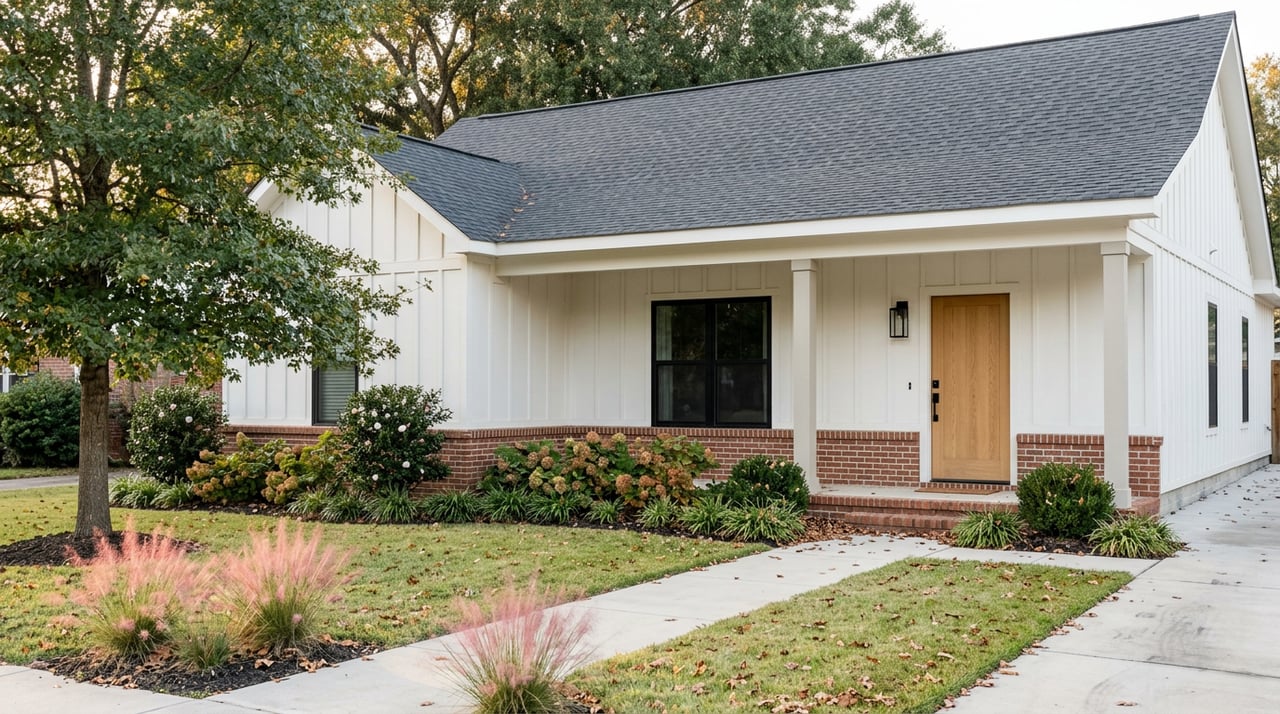
For many first-time investors, single-family homes are the clearest starting point in 30012. The local housing mix shows that 67.35% of the housing stock is single-family, while 23.12% is multifamily and 9.53% falls into other structure types.
That matters because it tells you what is most common and likely easiest to understand as a new investor. A single-family rental often gives you a simpler path for maintenance, leasing, and resale. Smaller multifamily opportunities may also exist, but many first-time buyers feel more comfortable starting with a property type that makes up most of the local market.
How to Estimate Rent Realistically
Setting rent is one of the biggest mistakes new investors make. If you price too high, your property may sit vacant. If you price too low, your returns may never fully recover.
A smart starting point is to use the 30012 median gross rent data as your baseline and then compare that to federal bedroom-based benchmarks. HUD’s FY2025 Atlanta-Sandy Springs-Roswell rent benchmarks are $1,591 for a 1-bedroom, $1,653 for a 2-bedroom, $1,830 for a 3-bedroom, and $2,205 for a 4-bedroom, as noted in the research provided from county and HUD benchmark references.
The ZIP-level rent distribution also adds context. In 30012, the largest rent bucket is $1,000 to $1,499 at 41.49% of renter households. Another 16.93% pay $1,500 to $1,999, and 11.33% pay $2,000 to $2,499, according to the same 30012 ZIP code data.
In practical terms, many standard rentals in this area may land in the mid-$1,000s, while larger or more updated homes may support higher pricing. The key is to compare your property’s size, condition, and features to the data instead of assuming it will command premium metro-wide rent.
Why Gross Rent Is Not Cash Flow
A property can look great on paper and still disappoint once real expenses show up. That is why beginner investors need to separate gross rent from actual operating performance.
Fannie Mae’s rental income guidance uses a simple underwriting rule that can help here: gross monthly rent is multiplied by 75%, with the remaining 25% set aside for vacancy losses and ongoing maintenance expenses. While every property is different, this is a useful educational shortcut for stress-testing a deal.
For example, if you expect $1,600 in monthly rent, a 75% adjustment would leave $1,200 before you even account for mortgage payments, taxes, insurance, or any other ownership costs. That does not mean the property is a bad investment. It means your purchase price and financing terms have to leave enough room for the property to perform.
Build Taxes Into Your Numbers
Property taxes can change the feel of a deal quickly, so do not leave them out of your early math. The Georgia Department of Revenue property tax FAQ explains that property is assessed at 40% of fair market value, and the local millage rate is then applied to that assessed value.
For Rockdale County, the 2025 net M&O millage rate is 18.284, based on the research provided. Another important point for investors is that homestead exemption is generally tied to a home being occupied as the owner’s primary residence. If you hold the property strictly as a rental, that exemption usually does not apply.
That means your tax bill on a rental may be different from what a seller currently pays if they lived in the property as their main home. When you review a potential purchase, make sure you are estimating taxes based on investment use, not just the seller’s current situation.
Understand the Management Side
Owning a rental is not just about collecting rent. It also means staying organized with lease terms, repairs, deposits, notices, and documentation.
In Georgia, property management is treated as real estate brokerage activity. The Georgia Real Estate Commission rules require property management services to be performed by active licensees as brokers or on behalf of a broker, and they require a written management agreement with clear terms.
For a first-time investor, that matters in a big way. If you do not want to handle screening, lease administration, rent collection, maintenance coordination, and notices on your own, licensed management support can help create structure from day one.
Know Your Landlord Responsibilities
Before you buy, make sure you understand that rental ownership comes with legal and operational responsibility. The Georgia Attorney General’s landlord-tenant resources cover topics like tenant rights, lease agreements, and eviction basics.
One practical takeaway is that the state does not step in to resolve private landlord-tenant disputes for you. That is why good systems matter. Clear records, prompt maintenance, documented communication, and a solid lease process can protect your investment and reduce avoidable problems.
A Simple Starter Plan
If you want a practical way to begin, focus on a few basics before you shop too aggressively.
Step 1: Pick a target property type
Start with the kind of home that fits the local market and your comfort level. In 30012, that often means a single-family property because that is the dominant housing type.
Step 2: Use ZIP-level rent data
Do not rely only on countywide averages. Begin with the 30012 median rent and rent distribution, then compare your property to the HUD benchmark for the right bedroom count.
Step 3: Underwrite conservatively
Use the 75% gross-rent rule as an early screen for vacancy and maintenance. This can keep you from overestimating monthly performance.
Step 4: Estimate taxes correctly
Check the Georgia property tax method and account for the likely loss of homestead exemption on a true rental. This step alone can change whether a deal still works.
Step 5: Decide on management early
Think through whether you want to self-manage or work with licensed property management support. Your answer affects both your time commitment and your operating plan.
The Bottom Line for Rockdale Investors
Rockdale County and 30012 can be a workable place to start building a small rental portfolio, especially if you want access to a metro-connected area with a meaningful renter base and a housing stock led by single-family homes. At the same time, this is a market where thin margins can punish overly optimistic assumptions.
If you stay grounded in local data, set rent carefully, and build in room for taxes, maintenance, and vacancy, you can make more confident decisions from the start. If you are exploring investment opportunities in Rockdale County and want local help evaluating homes that fit your goals, connect with The Legacy Real Estate Group for responsive, data-driven guidance.
FAQs
What makes 30012 a possible rental investment market?
- ZIP code 30012 has a 38.14% renter-occupied share, a 5.05% vacancy rate, and a housing stock that is mostly single-family, which can make it a practical area to analyze for small-scale rental investing.
What rent should you use for a rental property in Rockdale County 30012?
- Start with the 30012 median gross rent of $1,212 and compare your property to HUD bedroom-based benchmarks, then adjust for condition, size, and features.
What property type is often best for a first rental in 30012?
- Single-family homes are often the simplest starting point because they make up 67.35% of the local housing stock.
How should you estimate maintenance and vacancy for a Rockdale rental?
- A useful underwriting shortcut is Fannie Mae’s 75% approach, which assumes 25% of gross rent may go toward vacancy losses and ongoing maintenance expenses.
How are property taxes calculated for rental property in Georgia?
- Georgia property taxes are based on 40% of fair market value as the assessed value, and then the local millage rate is applied to that amount.
Do homestead exemptions usually apply to rental properties in Rockdale County?
- In general, no. Homestead exemption is for a home used as the owner’s primary residence, so it typically does not apply once the property is held strictly as a rental.
Why does licensed property management matter for Georgia rental owners?
- Georgia treats property management as brokerage activity, so using licensed professionals can help with compliant agreements, rent collection, lease administration, and maintenance coordination.
What should first-time Rockdale rental investors do before making an offer?
- Review ZIP-level rent data, estimate taxes using rental assumptions, apply a conservative expense buffer, and decide whether you will self-manage or use licensed management support.