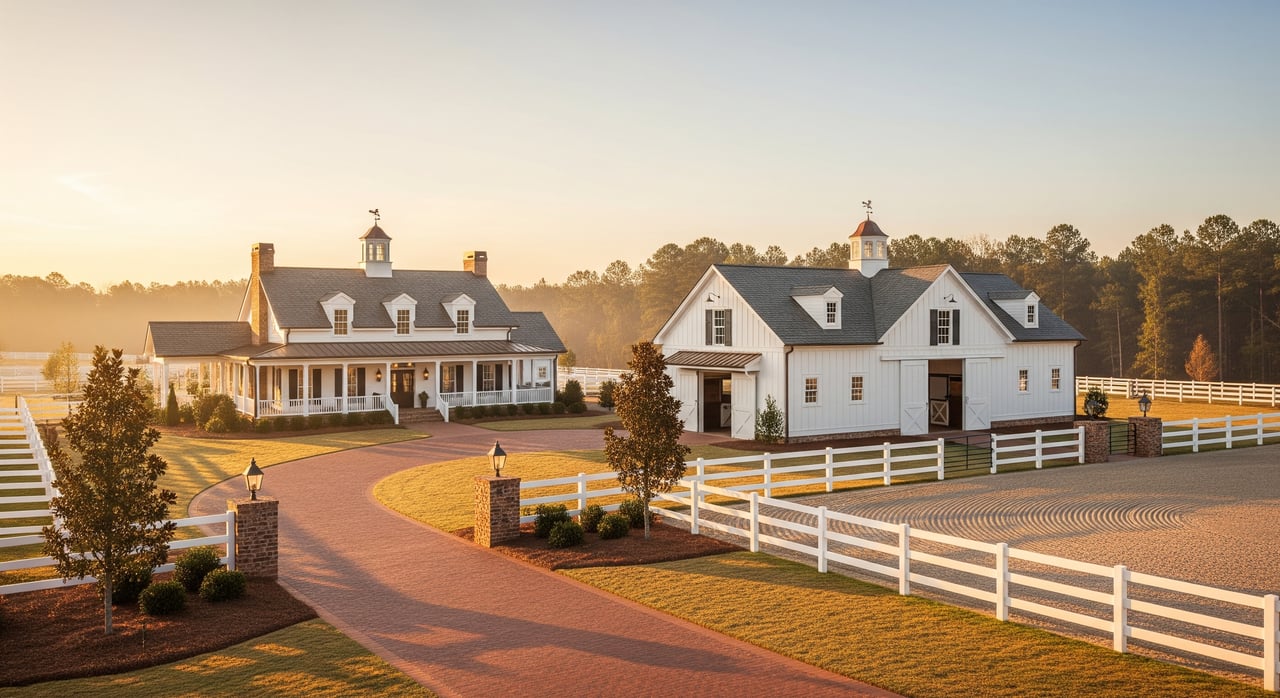
Dreaming of keeping your horses at home in Barnesville but unsure what to look for in a property? Buying in 30204 can be smart if you know how to evaluate land, water, barns, and local rules before you write an offer. This guide walks you through the key steps so you can buy with confidence, avoid hidden costs, and set your future farm up for success. Let’s dive in.
Why 30204 works for horses
Lamar County is largely rural with convenient access to I-75, so you can balance country living with trips to Atlanta or Macon. The climate is warm and humid with hot summers and mild winters, which supports warm-season grasses and a long riding season. You will want a plan for summer heat, parasites, and pasture rotation. Local agencies can help you tailor a management plan to your acreage and goals.
How much land you need
A common rule of thumb is 1.5 to 3 acres per horse for grazing, but productivity depends on soil, grass species, fertility, and rotation. Plan conservatively at 2 or more acres per horse and budget for hay, especially in summer drought or winter. If you plan to board, breed, or produce hay, you will need more acreage and a different layout. Always verify permitted uses for the property before you count on business income.
Pastures, soils, and water
Walk every pasture. Note grass species, bare spots, weeds, standing water, and shade. Warm-season grasses like bermudagrass and bahiagrass are common. Tall fescue is sometimes present or overseeded. If you plan to foal mares, test fescue since endophyte-infected fescue can affect pregnancies.
Soils drive productivity and drainage. Use soil testing for pH and fertility, and check parcel-level soils through trusted mapping tools. Well-drained, gently sloped ground is usually easier to manage. Low areas that hold water can increase hoof problems and maintenance.
Confirm water sources early. Verify well history, flow rate in gallons per minute, and water quality for bacteria and nitrates. If a pond is present, ask about depth and reliability across seasons. Public water can be limited in rural Lamar County, so locate all hydrants and spigots and consider costs to add lines for convenient watering.
Barns and shelters that work
For most horses, 12 by 12 foot stalls are preferred, though 10 by 10 can work for smaller horses or ponies. Check stall partitions, doors, and latches for safety. Barn flooring can be concrete, compacted stone, or mats. Prioritize ventilation, roof condition, and a safe electrical system. A separate, dry, and rodent-resistant feed room protects your investment. A tack room and a wash area with proper drainage make daily care easier.
Run-in sheds and pasture shelters should be sound, sited on well-drained ground, and free of dangerous limbs nearby. Shade is essential in summer, but remove dead or unstable trees along fence lines and high-traffic areas.
Fencing and layout
Look for safe, well-maintained fencing. Common options include board, vinyl, pipe, woven wire with a sight board, and electric. Board fencing looks great but can carry higher maintenance. Woven wire is durable but add visibility for horses. Evaluate posts, tension, and gate hardware.
Cross-fencing supports rotational grazing and parasite control. Count existing paddocks and gate locations, and check that a trailer can pass through comfortably. Plan for a dry lot to rest pastures and manage horses during wet weather.
Arenas, drainage, and access
Arena costs are driven by base, sub-base, and drainage. Flat sites with natural slope for water runoff reduce future maintenance. Inspect current footing and ask about how the arena performs after heavy rain. Poor drainage can multiply your annual costs.
Confirm access for trailers and service vehicles. Check gate width, driveway slope, and turning radius. Inspect culverts and bridges for weight limits and seasonal flooding. Safe, year-round access matters as much as acreage.
Zoning, taxes, and permits
Before you rely on any use, contact Lamar County Planning and Zoning to confirm what the property allows. Some parcels permit personal horses but require additional approvals for boarding, lessons, or breeding. Zoning can also limit the number of animals and structures.
Ask the Lamar County Tax Assessor about agricultural use assessments or exemptions if you plan active agricultural use. If you will operate a business, budget for permits, potential health or sanitation rules, and commercial equine liability coverage.
Environmental and utilities checks
Review the property for wetlands, floodplains, and stream buffers. Floodplain status affects insurance and where you can build. If you are adding barns or arenas, site them outside sensitive areas and plan for runoff control.
Most rural tracts rely on septic. Confirm system age, permits, and condition. If you need a new system, a perc test and county approvals are required. For wells, verify permits, flow rate, and quality tests. Plan for adequate manure storage and composting that manages odor and runoff. One horse can produce roughly 40 to 60 pounds of manure per day, so sizing your storage correctly protects neighbors and waterways.
Financing that fits rural property
Conventional mortgages can work for home plus land, but unique farm features sometimes require larger down payments or specialized appraisals. USDA Rural Development mortgages may be available based on property location and your eligibility. Agricultural lenders and the Farm Service Agency can finance working farm operations or land purchases tied to a business plan. If you are buying mostly vacant land, expect land loan terms that differ from standard home loans. Work with lenders who understand rural and equestrian properties.
Inspections and due diligence
Use your due diligence window to verify every critical detail. Bring in professionals who know horse properties. A standard home inspection is not enough.
- Confirm zoning and any permits needed for equine or commercial uses.
- Obtain a current survey and locate all easements and setbacks.
- Inspect barns and outbuildings for structure, roof, and safe electrical.
- Evaluate fencing, gates, paddocks, and cross-fencing condition.
- Test well flow and water quality; inspect septic and perc test if needed.
- Soil test pastures and review soils for drainage constraints.
- Inspect arenas, base, and drainage; price improvements if needed.
- Check flood maps and ask about local flood history.
- Review title for covenants or restrictions that affect animals or structures.
- Confirm insurance options for property and equine liability.
- Assess hay storage, equipment storage, and trailer parking.
Local pros who can help
- Lamar County Planning and Zoning for permitted uses and setbacks.
- Lamar County Tax Assessor for assessments and agricultural programs.
- UGA Cooperative Extension, including Lamar County, for soil tests, forage, and pasture planning.
- USDA NRCS soil mapping tools and guidance on soils and drainage.
- USDA Farm Service Agency for farm loans and acreage documentation.
- FEMA flood map resources for floodplain status.
- Georgia Environmental Protection Division for well and septic guidance.
- Equine-focused inspectors, veterinarians, farriers, and hay suppliers in the Barnesville area.
Quick glossary
- Dry lot: A non-grazed area that gives pastures time to rest.
- Rotational grazing: Moving horses through paddocks to protect grass and control parasites.
- Run-in shed: A three-sided shelter in pasture for shade and weather protection.
- Footing: The arena surface mix placed on top of a prepared base.
- Perc test: A test that evaluates soil suitability for a septic drainfield.
Your next steps
If you are targeting 30204, start by narrowing to properties with the right acreage and access, then use soil, water, and facility checks to rank your options. Confirm zoning early if you plan any business use and line up an equine-aware inspector before you go under contract. With a clear plan, you can buy a property that fits your horses, your budget, and your future goals.
Ready to tour equestrian properties or want a second set of eyes on a candidate farm? Reach out to The Legacy Real Estate Group for local guidance and a smooth path from search to closing.
FAQs
How many acres per horse in Lamar County?
- Plan for 1.5 to 3 acres per horse depending on pasture quality, and budget hay to cover gaps. A conservative 2 or more acres per horse is common.
Can I run a boarding business on a 30204 property?
- Possibly, but you must confirm zoning with Lamar County and secure any required permits, plus carry commercial equine liability insurance.
Do horse properties qualify for agricultural tax programs?
- Some do if they meet county criteria. Check with the Lamar County Tax Assessor about agricultural use assessments and eligibility.
What are the biggest hidden costs with horse farms?
- Fencing replacement, arena drainage and footing work, hay purchases, barn electrical upgrades, and water system improvements often add up fast.
How do wetlands and floodplains affect my build plans?
- They can limit where you place barns, arenas, and fencing, and may require flood insurance. Review flood maps and consult environmental guidance early.
What should I check in older barns in 30204?
- Have an equine-savvy inspector evaluate roof, structure, wiring, and hay storage. Fire safety and electrical upgrades are common needs.
What water tests should I run for a well property?
- Verify flow rate in gallons per minute and test for bacteria and nitrates. Place hydrants for easy access to stalls, paddocks, and arenas.
Let’s talk about your plans and timeline. Connect with The Legacy Real Estate Group to tour properties and build a step-by-step purchase strategy that fits your goals.